Beer as a Cultural and Social Beverage
Beer culture occupies a complex position at the intersection of many human needs and dimensions. Quite a large number of societies in earlier times, resorted to drinking beer on an everyday basis. This is because they needed liquid that was germ-free. Only beer held such properties, besides; the stuff was nutritious. They would, however, tend to consume the substance in moderation typically decimating any purposes of it being meant for intoxication. Especially when beer use came to matters of routine like, within which it was normal to link such things as eating, work, and time of year, consumption would be controlled, or constrained inside a person primarily by consumption norms.
Dates of meals with one’s relatives and conversations with one’s friends, ceremonial occasions or certain types of any other behavior even the shortest ceremony of one minute only, alone, can be performed without alcohol. Usage of beer as a cultural and social content is one of the factors which contributes to more moderate consumption and more explanatory positioning. It is beer from surplus to value, it is beer from as a challenge to the culture where it is consumed to as a celebration and its taste and temporary significance.
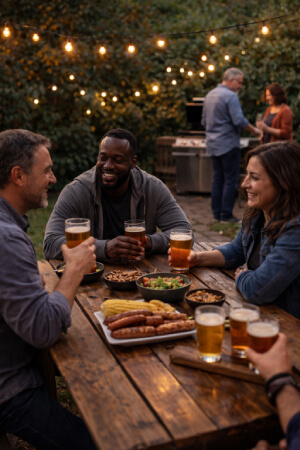
Traditions of Moderation Across Cultures
Many beer traditions emphasize moderation by design. Smaller serving sizes, lower-alcohol styles, and consumption alongside food are common in regions with long brewing histories. These practices developed organically, shaped by daily life rather than formal guidance. Beer was meant to accompany work and rest, not overwhelm them.
Looking at these traditions shows that responsible beer enjoyment is not about denying pleasure. Instead, it reflects an understanding that pleasure lasts longer when it is measured and integrated into daily routines. Moderation emerges naturally when beer is treated as part of life rather than an escape from it.
The Difference Between Drinking and Appreciating
Drinking can be automatic, while appreciation is deliberate. Appreciation involves noticing aroma, texture, flavor, and balance, as well as the setting and moment in which the beer is consumed. This attentiveness naturally slows the pace of drinking and reduces excess without requiring strict self-control.
When beer is treated as something to explore rather than consume quickly, quantity becomes less important than experience. One well-chosen beer enjoyed thoughtfully often provides more satisfaction than several consumed without awareness. This shift aligns moderation with enjoyment rather than restriction.
Social Context and Shared Responsibility
Beer is often consumed in groups, where pace and quantity can be influenced by social dynamics. Shared responsibility means being attentive not only to personal limits, but also to the comfort and well-being of others. This includes respecting different preferences, whether someone chooses to drink slowly, stop early, or not drink at all.
Creating social environments where moderation is accepted helps normalize responsible enjoyment. When people feel no pressure to keep up, beer remains a source of connection rather than tension.
Understanding Alcohol Content and Serving Size
A key part of responsible beer enjoyment is understanding what is actually in the glass. Alcohol content varies widely across beer styles, and serving size can significantly change its effects. Without this awareness, it is easy to underestimate intake and lose track of consumption.
Knowing basic information about alcohol by volume and portion sizes does not require technical knowledge. It simply provides context, allowing enjoyment to be guided by understanding rather than habit or assumption.
Alcohol by Volume Explained Simply
Alcohol by Volume or ABV is a general parameter that measures the degree of concentration of alcohol in beer. It may seem to be inconsequential; however, carries some particular significance. For instance, a small amount of associated with high alcohol strength tend to have more alcohol than a lot of the lighter ones. There is unnecessary drinking due to the mistaken belief that all types of beer possess the same alcohol percentage.
Furthermore, knowing the magnitude of alcohol also facilitates in moderating and programming drinking before going out. Picking beers with a lower alcohol content where a longer period is to be covered, say, a whole day out, means more fun with no additional use.
Serving Sizes and Their Impact
Not all beers are meant to be served in the same quantity. Stronger styles are traditionally poured in smaller glasses to allow appreciation without excess. These practices reflect an understanding of balance developed within brewing cultures over time.
Being mindful of serving size helps align consumption with intention. It allows drinkers to sample variety, focus on flavor, and remain aware of limits without feeling compelled to finish large volumes.
Reading Labels and Menus with Awareness
Labels and menus often include useful information beyond branding. Alcohol content, ingredients, and serving recommendations offer clues about how a beer is meant to be enjoyed.
Taking a moment to read this information encourages a slower, more intentional relationship with beer. It shifts attention away from impulse and toward informed choice, reinforcing moderation naturally.
Mindful Drinking and Pacing
Mindful drinking centers on attention and presence. Rather than relying on external rules, it encourages awareness of physical sensations, emotional context, and pace. This approach supports enjoyment while reducing the likelihood of discomfort or regret.
Pacing is one of the most practical tools for responsible beer enjoyment. It creates space to notice taste, conversation, and personal comfort throughout the experience.
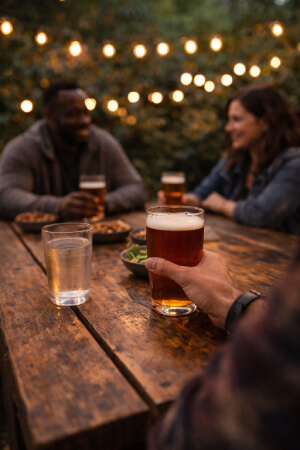
Listening to Physical Signals
The body provides clear feedback when attention is paid. Sensations such as warmth, fatigue, or reduced focus are signals to slow down or stop. Ignoring these cues often leads to diminished enjoyment later.
Mindful enjoyment respects these signals without judgment. Responding early helps maintain clarity and preserves the positive aspects of the experience.
Spacing Drinks Over Time
Allowing time between beers helps the body process alcohol gradually. It also keeps flavors distinct, preventing them from blending together.
Simple habits, such as alternating beer with water or taking breaks between drinks, support steady pacing without disrupting social interaction.
Setting Intentions Before Drinking
Intentions provide gentle structure. Deciding in advance how beer fits into an occasion can prevent reactive choices later.
This does not require rigid limits. Even a loose intention to drink slowly or stop after a certain point can influence behavior in subtle but effective ways.
Beer and Food: A Natural Partnership
Beer has traditionally been consumed alongside food, not apart from it. This pairing supports both enjoyment and moderation. Food slows alcohol absorption while enhancing flavor and texture.
Understanding how beer and food interact transforms drinking into a more complete sensory experience. It reinforces beer’s role as part of a meal rather than the main focus.
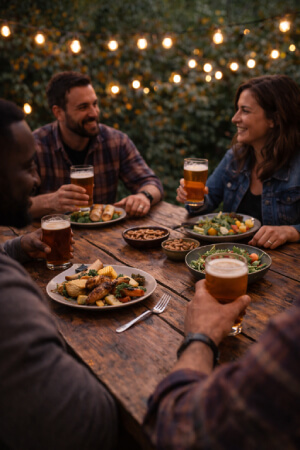
Why Food Matters
Eating while drinking helps stabilize energy levels and reduces the intensity of alcohol’s effects. Historically, beer was part of daily meals, not a standalone activity.
Meals create natural pauses and structure, making it easier to pace consumption and remain attentive to taste and comfort.
Simple Pairing Principles
Pairing beer with food does not require expertise. Lighter beers often complement delicate dishes, while richer styles suit heartier meals. Balance matters more than precision.
Approaching pairing with curiosity encourages exploration without pressure or complexity.
Shared Meals and Slower Drinking
Eating together naturally slows the rhythm of drinking. Conversation, serving, and tasting create intervals that support moderation.
This shared experience emphasizes connection and reduces focus on quantity.
Situations Where Extra Awareness Is Needed
Responsible beer enjoyment includes recognizing situations where alcohol may have a stronger impact. Context matters, and some conditions call for additional restraint.
Awareness allows for informed decisions rather than blanket avoidance. Responsibility is situational and adaptive.
Fatigue, Stress, and Emotional States
Alcohol can amplify existing emotional or physical states. Drinking while tired or stressed may intensify discomfort rather than relieve it.
Pausing to assess mood and energy before drinking helps determine whether beer will enhance or detract from the moment.
Weather, Environment, and Activity Level
Heat, altitude, and physical activity influence how alcohol affects the body. In these conditions, lighter beers or smaller quantities are often more appropriate.
Environmental awareness supports comfort and safety without reducing enjoyment.
Driving and Responsibilities After Drinking
Situations involving driving or critical tasks require clear boundaries. Planning ahead removes uncertainty and protects both personal and public safety.
Responsible enjoyment includes respecting these limits consistently.
Building Long-Term Habits Around Beer
Responsible beer enjoyment is not a single choice but a pattern developed over time. Habits shape how craft beer fits into life, influencing both health and satisfaction.
A long-term perspective helps maintain enjoyment without burnout. It supports a balanced relationship that adapts to change.
Quality Over Quantity
Choosing fewer beers with more character often leads to greater satisfaction. This approach aligns appreciation with moderation naturally.
It also encourages exploration without excess.
Normalizing Non-Drinking Days
Regular days without alcohol reset tolerance and awareness. They reinforce that beer is optional, not automatic.
This balance supports both well-being and enjoyment when beer is chosen intentionally.
Respecting Personal Limits Over Time
Limits change with age, lifestyle, and health. Responsible enjoyment adapts rather than resists these shifts.
Listening to evolving needs preserves beer as a positive presence.
Practical Principles of Responsible Beer Enjoyment
Responsible enjoyment does not rely on complex rules. It is built from simple, repeatable principles that support awareness and balance.
- Pay attention to alcohol content and serving size.
- Drink slowly and allow time between beers.
- Eat food alongside drinking whenever possible.
- Listen to physical and emotional signals.
- Plan ahead for responsibilities such as driving.
- Value quality and experience over quantity.
Together, these principles form a stable framework for enjoying beer responsibly in diverse situations.
Closing Thoughts: Enjoyment That Lasts
Enjoying beer sensibly is more about its long-term sustainability. Rather than become a burden, people can enjoy beer by paying attention to balance, limits, and appreciating it. Triggered by the knowledge of time management, tempo and focused on the middle concept, beer cannot be enjoyed better. Indeed, generations can benefit from the continuance of such enjoyment rather than it being astound for a long weekend only.
Beer understanding and keeping it in the respect of all walks of life helps beer retain its worth. This respect does satisfy the idea of indulgence more and makes it more suitable for ordinary day-to-day behavior.