The Core Ingredients and Why They Matter
Beer is made from just four essential ingredients, yet each one carries layers of complexity that brewers must understand and respect. Brewers focus not only on what they use, but how and when they use it. Subtle variations in sourcing, treatment, and proportions can shift a beer’s character dramatically, even when the recipe looks similar on paper.
Understanding these ingredients also helps explain why beer styles vary so widely across regions and traditions. Craftsmanship begins long before brewing equipment is involved, starting with careful selection, preparation, and an awareness of how each element interacts with the others.
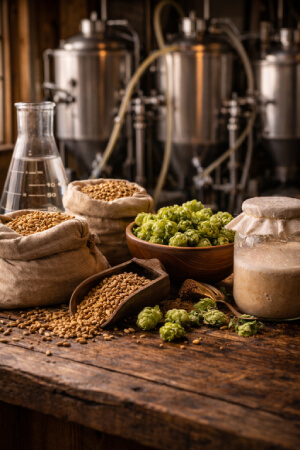
Water as the Foundation
In a beer, the bulk of it, i.e. water, is an essential component and its mineral composition, though subtle, also has an impact in the brewing process. Calcium helps in breaking down of carbohydrates to sugar and in cell division. Magnesium serves in the regulations of the impact of the haste of a hop on the beer. Sulfates and chlorides are the prime ions affecting the perception of a beer in the hop to malt ratio.
Malted Grains and Sugar Potential
Malted barley is the most common grain used in beer, though wheat, rye, oats, and other cereals also appear in many styles. Malting involves soaking grain, allowing it to germinate, and then drying it to preserve enzymes that convert starches into fermentable sugars. This controlled process determines how efficiently sugars can later be extracted.
Different kilning temperatures create a wide range of malt flavors and colors. Lightly kilned malts contribute bread, grain, or biscuit notes, while darker malts add caramel, toast, chocolate, or coffee-like flavors. The choice and proportion of malts define not only color and sweetness, but also body and how long flavors linger on the palate.
Hops for Balance and Aroma
Hops contribute bitterness that balances malt sweetness, along with aromatic compounds that add floral, citrus, herbal, piney, or resinous notes. While bitterness often gets the most attention, hops also influence aroma, flavor stability, and even perceived dryness.
The timing of hop additions matters as much as the variety itself. Early additions emphasize bitterness, while later additions preserve delicate aromas. Dry hopping, which occurs after boiling, intensifies aroma without adding bitterness. Even small changes in timing or quantity can reshape a beer’s profile without altering its alcohol strength.
Yeast and Fermentation Character
Yeast converts sugars into alcohol and carbon dioxide, but it also produces a wide range of flavor compounds. Esters can add fruity notes, phenols can create spicy or clove-like aromas, and other byproducts influence texture and finish. In many craft beers, yeast character is as important as malt or hops.
Different yeast strains operate best at specific temperatures and fermentation speeds. Managing yeast health, pitch rates, and temperature is essential for reliable results. A well-chosen yeast strain supports the intended style, while poor yeast management can undermine even the best recipe.
From Grain to Wort: The Brewing Process
Once ingredients are chosen, brewing transforms them into wort, the sugar-rich liquid that will eventually become beer. This stage focuses on extraction, conversion, and balance, requiring attention to temperature, timing, and cleanliness. It is where planning meets execution.
Each step builds on the previous one, meaning early errors can carry through to the final product. Brewers rely on consistency and repetition to ensure predictable outcomes, especially when refining a recipe over time.
Milling and Mashing
Grains are initially shattered in a break mill to enhance their starch content with minimal disruption to the grain husks. This process is carried out in the most effective manner without the generation of excess grain dust, which can impede filtering processes at the latter stages. The milled grains are mixed with hot water in a procedure called mashing.
Lautering and Wort Separation
After mashing, the liquid wort is separated from the spent grain. This is done by recirculating the wort to clarify it and then rinsing the grain bed with hot water to extract remaining sugars. This step, known as lautering, requires patience and care.
If done too aggressively, lautering can extract harsh tannins from the grain husks. If done too slowly or inefficiently, valuable sugars may be left behind. Skilled brewers balance clarity, efficiency, and flavor at this stage.
Boiling and Hop Additions
The wort is boiled to sterilize it, halt enzymatic activity, and concentrate flavors. Boiling also drives off unwanted volatile compounds that could affect aroma. During this time, hops are added at specific intervals to control bitterness, flavor, and aroma.
Protein coagulation during the boil helps improve clarity and stability in the finished beer. The length and vigor of the boil influence not only bitterness but also color development and mouthfeel.
Cooling and Transfer
Once boiling is complete, the wort must be cooled quickly to fermentation temperature. Rapid cooling reduces the risk of contamination and helps preserve delicate hop aromas. Modern brewers use heat exchangers to cool wort efficiently and consistently.
The cooled wort is then transferred to a fermentation vessel. At this point, oxygen is often introduced intentionally to support yeast growth, after which yeast is added under controlled conditions.
Fermentation: Where Beer Takes Shape
Fermentation is where beer truly becomes beer. Yeast activity transforms wort into an alcoholic beverage with aroma, texture, and complexity. This stage demands patience, attention, and restraint, as rushing fermentation often leads to flaws.
Even when recipes remain constant, fermentation variables can produce noticeable differences. Temperature, yeast health, and timing all influence the final character. Many brewers consider fermentation the most critical phase of the entire process.
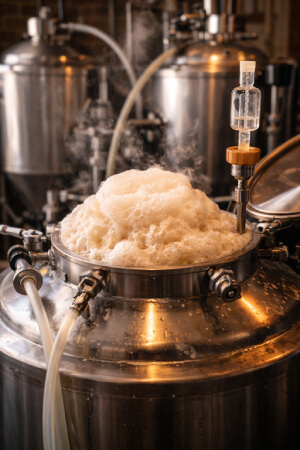
Primary Fermentation
During primary fermentation, yeast consumes sugars and produces alcohol, carbon dioxide, and heat. The most active phase often lasts several days, with visible signs such as bubbling or foam formation.
Temperature control during this phase is crucial. Warmer temperatures can increase fruity or spicy notes, while cooler temperatures produce cleaner profiles. Poor temperature management can result in harsh or unbalanced flavors.
Secondary Fermentation and Maturation
Some beers are transferred to a second vessel after primary fermentation. This allows remaining yeast and proteins to settle while flavors stabilize and mature. This stage is especially useful for stronger beers or those requiring extended aging.
Not all beers require secondary fermentation, but maturation time is almost always beneficial. Allowing beer to rest helps integrate flavors and soften sharp edges.
Managing Off-Flavors and Stability
During fermentation, brewers monitor for compounds that can cause undesirable aromas or flavors, such as buttery or solvent-like notes. Proper yeast nutrition, oxygen management, and sanitation reduce these risks.
Time also plays a role in stability. Allowing beer to remain on yeast briefly after fermentation gives yeast a chance to reabsorb certain byproducts naturally.
Conditioning, Carbonation, and Packaging
After fermentation, beer enters its final phase before consumption. Conditioning refines texture and flavor, while carbonation adds liveliness and balance. These steps may seem subtle, but they strongly influence drinkability.
Finishing stages reward patience. Beer that is rushed into packaging often tastes unfinished, while properly conditioned beer feels cohesive and intentional.
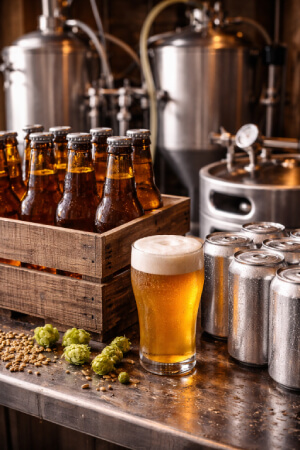
Cold Conditioning and Clarification
Many beers benefit from cold storage, which encourages suspended particles to settle and flavors to integrate. Cold conditioning improves clarity and smoothness, especially in lagers and delicate styles.
Extended cold periods allow subtle flavors to emerge while reducing harshness. This step highlights the brewer’s commitment to refinement rather than speed.
Carbonation Methods
Beer can be carbonated naturally through refermentation in the package or mechanically by injecting carbon dioxide. Each method affects mouthfeel, bubble size, and texture.
Natural carbonation often produces finer bubbles and a softer mouthfeel, while forced carbonation allows precise control and faster turnaround. The choice depends on style and production goals.
Packaging and Freshness
Beer is packaged in bottles, cans, or kegs, each with specific handling considerations. Oxygen exposure is minimized to protect flavor stability and prevent staling.
Freshness matters, particularly for
How Small Choices Create Big Differences
Brewing is shaped by decisions that may seem minor but carry lasting impact. Adjusting mash temperature by a single degree, changing hop timing by minutes, or selecting a different yeast strain can all alter the final beer.
These cumulative choices reflect the brewer’s philosophy and experience. Consistency comes not from rigid formulas, but from understanding how variables interact across batches.
Process Control and Repeatability
Reliable beer depends on repeatable processes. Accurate measurement, record-keeping, and equipment calibration help brewers recreate successful results.
Small-scale brewers often rely on sensory observation, while larger operations use automation. Both approaches aim for the same goal: predictable, high-quality beer.
Style Interpretation and Creativity
Traditional styles provide structure, but interpretation leaves room for expression. Brewers balance respect for tradition with thoughtful experimentation.
Creativity emerges through ingredient combinations and process adjustments rather than shortcuts. The best innovations often come from deep understanding rather than novelty alone.
Key Stages of the Brewing Process
Brewing follows a clear sequence, but each stage invites variation and refinement. The steps below outline the core flow from raw ingredients to finished beer.
- Ingredient selection and preparation
- Mashing and sugar conversion
- Boiling and hop additions
- Cooling and fermentation
- Conditioning, carbonation, and packaging
Each step builds on the last, reinforcing the importance of patience and attention throughout the process.
Why Brewing Is Both Craft and Discipline
Beer brewing blends tradition with careful control. While creativity matters, consistency and restraint often define quality. The process rewards brewers who respect time, cleanliness, and balance.
Understanding how beer is made deepens appreciation for what is in the glass. Every flavor reflects a chain of choices made with intent and care.
The Quiet Craft Behind Every Pint
Beer is not the product of a single moment, but of many deliberate steps working together. From water chemistry to fermentation timing, each decision leaves a trace. By valuing patience and consistency, brewers turn simple ingredients into something expressive, reliable, and worth returning to again and again.